Tech deck vs fingerboard is a simple question with a clear answer. A Tech Deck is a mass made plastic fingerboard sold in toy shops, while a fingerboard is the wider name for the hobby, and pro fingerboards are made from real wood with better trucks and wheels. This guide compares price, feel, parts and skill level, so you can pick the right board and start riding with confidence.
You walk into a toy shop and see a Tech Deck for a few dollars. Then you open a fingerboard shop online and see a wooden board for 60 dollars or more. Both look like tiny skateboards, and both use two fingers, so why does one cost ten times more than the other? That price gap is the heart of the tech deck vs fingerboard question, and the answer is not just the brand name. The short version is this. A Tech Deck is one brand of fingerboard, made from plastic, while a pro fingerboard is usually made from layered maple wood with real metal trucks and smooth urethane wheels. The wood board pops higher, flips cleaner and lasts longer, but it also costs a lot more and needs more care. Keep reading and you will see the full price, feel and parts comparison, plus a clear pick for beginners and for advanced riders.
Compare the two boards step by step and pick the right one for your level.
What Is a Tech Deck?
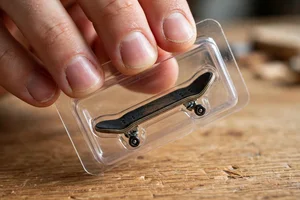
A Tech Deck is a small plastic fingerboard made by Spin Master and sold in toy shops around the world. It is the brand most people meet first, and for many riders it is the first fingerboard they ever touch.
What Is a Fingerboard?
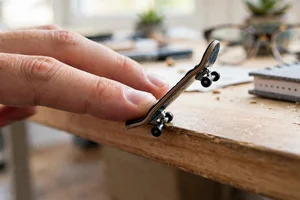
A fingerboard is a tiny skateboard you ride with two fingers, and the word covers every brand and every build, from a cheap toy to a hand made pro setup. A Tech Deck is one kind of fingerboard, but the word fingerboard is much wider than one brand.
What Is the Main Difference Between a Tech Deck and a Fingerboard?
The main difference is the build. A Tech Deck is a mass made plastic fingerboard, while a pro fingerboard is a wooden board with metal trucks, urethane wheels and parts you can swap.
How Do Tech Deck and Fingerboard Prices Compare?
A Tech Deck costs 5 to 15 dollars, while a full pro fingerboard setup costs 60 to 150 dollars, so the pro board is about 10 times the price.
Which One Is Better for Beginners?
A Tech Deck is better for beginners. It is cheap, easy to find and tough enough to survive the drops and crashes of learning.
Which One Is Better for Advanced Riders?
A wooden pro fingerboard is better for advanced riders. The pop, the grip and the smooth trucks make hard tricks land more often.
Can You Use Tech Deck Parts on a Fingerboard?
No, Tech Deck parts do not fit a pro fingerboard in most cases. The sizes, the screws and the truck holes are different, so the parts do not swap.
What Are the Pros and Cons of a Tech Deck?
A Tech Deck is cheap, easy to find and fun to start with, but it has less pop, less grip and parts you cannot tune.
What Should You Choose: Tech Deck or Fingerboard?
Choose a Tech Deck if you are new, and choose a wooden fingerboard if you already land the basics and ride every day. Your skill level, not your wallet, should make the call.
What Is a Tech Deck?
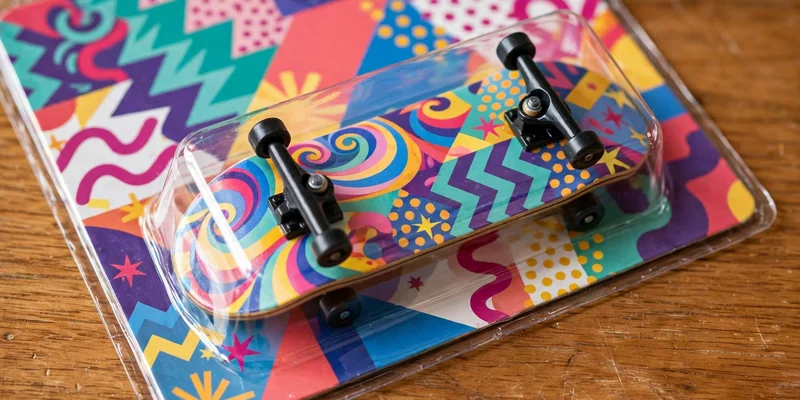
A Tech Deck is a small plastic fingerboard made by Spin Master and sold in toy shops around the world. It is the brand most people meet first, and for many riders it is the first fingerboard they ever touch.
Tech Deck boards are about 96 mm long, which is the standard size for a fingerboard. They come with a plastic deck, plastic or basic metal trucks, hard plastic wheels and a sheet of grip tape on top. Many packs also include a tiny ramp, a rail or a second board, so you can start playing the same day. The brand started in the late 1990s and grew fast because the boards were cheap and easy to find. You can buy one in a supermarket, a toy shop or online for a few dollars, and that low price is the main reason Tech Deck became the face of fingerboarding for a whole generation of riders. If you want a first board to learn the basics, start with our guide on how to choose your first Tech Deck, then come back here to see how it compares with a wooden board.
What Is a Fingerboard?
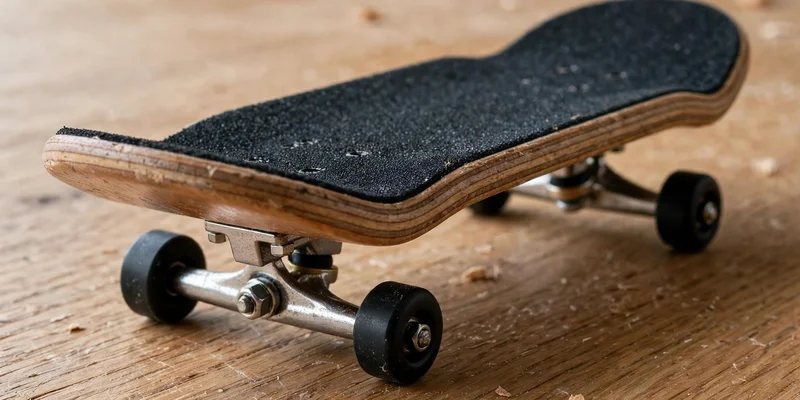
A fingerboard is a tiny skateboard you ride with two fingers, and the word covers every brand and every build, from a cheap toy to a hand made pro setup. A Tech Deck is one kind of fingerboard, but the word fingerboard is much wider than one brand.
Pro fingerboards are usually made from 5 to 7 thin layers of maple wood, pressed into a curved shape with a nose, a tail and deep concave. They use real metal trucks, smooth urethane wheels with bearings, and high grip foam or rubber grip tape. Each part is made to be tuned, swapped and replaced.
The feel is the big change. A wooden deck has flex and pop, the wheels roll smooth and quiet, and the trucks turn in a clean and steady way. That is why riders who practise every day move to wood once they can land the basic tricks on plastic. For the full list of tricks you can learn on any fingerboard, see our pillar guide to Tech Deck tricks.
What Is the Main Difference Between a Tech Deck and a Fingerboard?
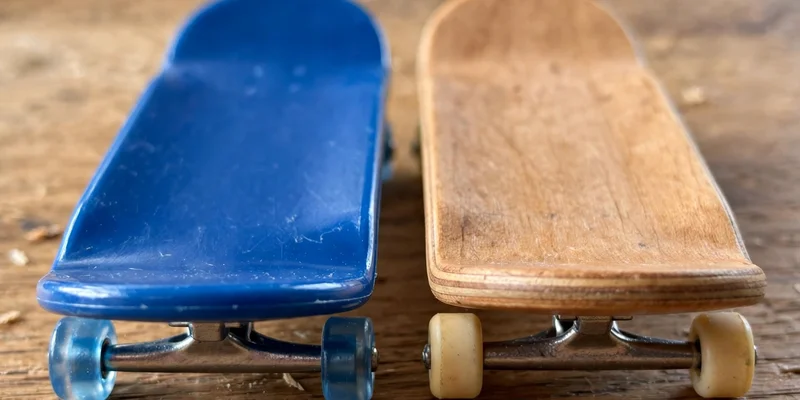
The main difference is the build. A Tech Deck is a mass made plastic fingerboard, while a pro fingerboard is a wooden board with metal trucks, urethane wheels and parts you can swap.
The deck material changes everything. Plastic is stiff, light and cheap to mould, but it has almost no pop and it wears smooth fast. Wood has flex, so it springs off your fingers, and it holds its shape for months of daily use.
The trucks and wheels matter just as much. Tech Deck trucks are basic and often loose, and the hard plastic wheels slide and rattle on a desk. Pro trucks are tight and smooth, and urethane wheels grip the desk and roll for a long time after one push.
The last difference is the price and the shop. Tech Decks sell in toy shops for a few dollars. Pro fingerboards sell in small fingerboard shops online, often made in small batches, and a full setup can cost 60 to 150 dollars.
How Do Tech Deck and Fingerboard Prices Compare?
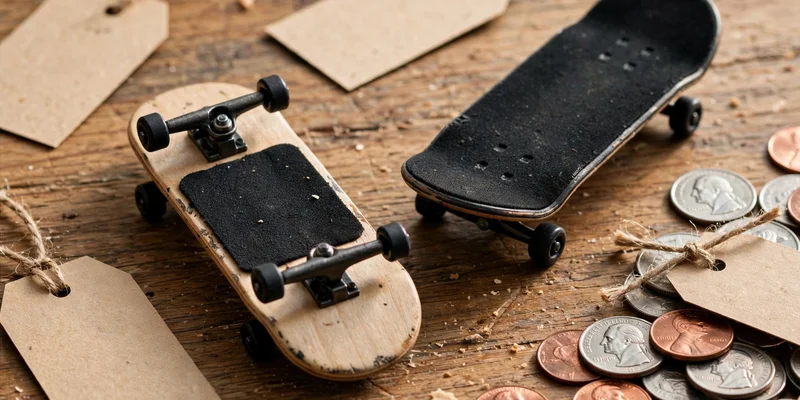
A Tech Deck costs 5 to 15 dollars, while a full pro fingerboard setup costs 60 to 150 dollars, so the pro board is about 10 times the price.
A single Tech Deck in a toy shop is often 5 to 10 dollars, and a pack with a ramp or two boards is 10 to 20 dollars. That low price makes it easy to buy one on a whim, and easy to replace if you break it.
A pro fingerboard deck alone is 30 to 60 dollars. Add trucks at 20 to 40 dollars, wheels at 15 to 30 dollars, plus grip tape and hardware, and a full setup lands at 60 to 150 dollars. Some hand made decks from small brands cost even more.
Here is the honest math. A Tech Deck gives you about 80 percent of the fun for about 10 percent of the price. A pro board gives you the last 20 percent, the pop, the grip and the smooth roll, and that last part is what serious riders pay for. If you are buying your first board, read our best Tech Deck buy 2026 guide first, so you spend your money on the right pack.
Which One Is Better for Beginners?
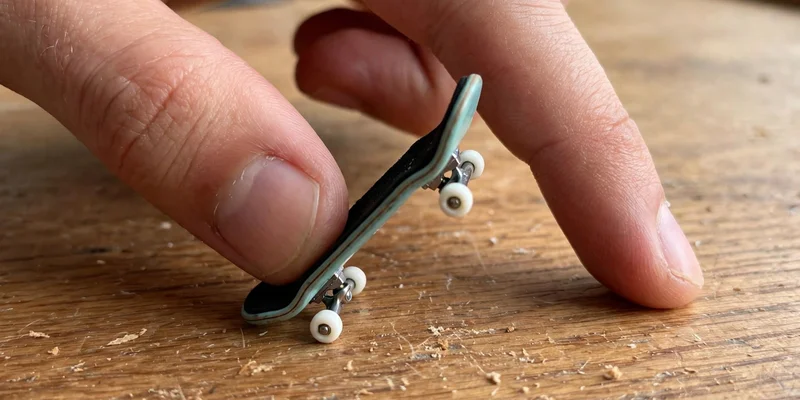
A Tech Deck is better for beginners. It is cheap, easy to find and tough enough to survive the drops and crashes of learning.
When you start, you will drop the board a hundred times a day. A 10 dollar Tech Deck takes that punishment without hurting your wallet, and you can buy a spare in any toy shop. A 100 dollar wooden board feels scary to drop, and that fear slows your learning down.
A Tech Deck is also the right tool for the first tricks. You can learn to ollie on a Tech Deck and land your first kickflip on plastic, and the skills move straight to wood later. The finger placement, the pop and the catch are the same on both boards.
Start on a Tech Deck for your first 2 to 3 months. Once you can ollie, shuvit and kickflip on most tries, then think about wood. That order saves money and builds real skill first.
Which One Is Better for Advanced Riders?
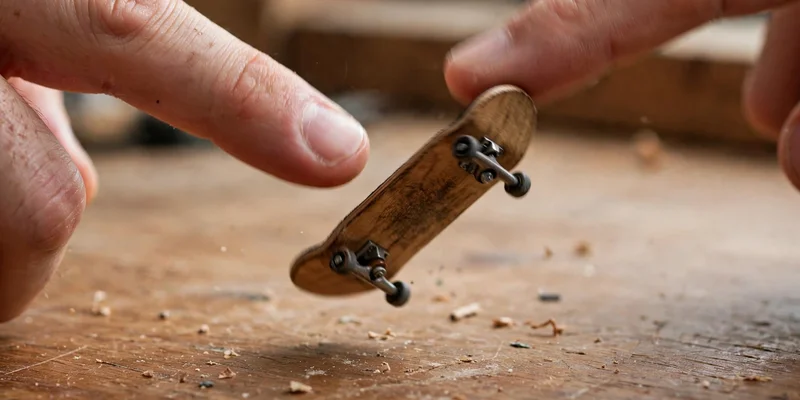
A wooden pro fingerboard is better for advanced riders. The pop, the grip and the smooth trucks make hard tricks land more often.
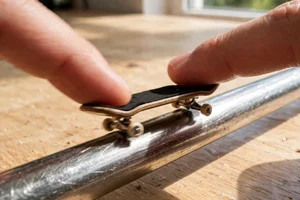
Advanced tricks need a board that answers fast. A wooden deck pops higher, so flip tricks have time to turn in the air. Urethane wheels grip the desk on the landing, so the board does not slide out from under your fingers. Tight metal trucks hold a line in grinds and slides.
Plastic holds advanced riders back in small ways that add up. The deck flexes wrong, the wheels rattle, and the trucks wobble on a boardslide. You can still land hard tricks on a Tech Deck, but you will land them less often and with less control.
My verdict is clear. If you ride every day and you want clean flip tricks and long grind lines, wood is worth the money. If you ride once a week for fun, a Tech Deck is still fine.
Can You Use Tech Deck Parts on a Fingerboard?
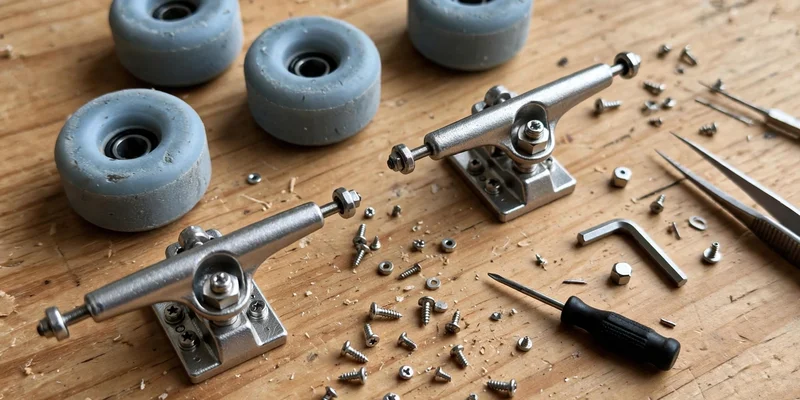
No, Tech Deck parts do not fit a pro fingerboard in most cases. The sizes, the screws and the truck holes are different, so the parts do not swap.
Tech Deck trucks use a smaller bolt pattern and a different baseplate size than pro trucks. The wheels are also a different width, and the bearings in pro wheels do not fit Tech Deck axles. You can force some parts together, but the board will ride badly and the screws will strip.
Grip tape is the one exception. A sheet of Tech Deck grip tape can be cut to fit a wooden deck in a pinch, though pro foam grip tape feels much better under your fingers. The tool in a Tech Deck pack can also turn some pro screws, but it is weak and it slips.
If you buy a wooden deck, buy trucks and wheels made for it. A full pro setup is built as a matched set, and mixing in toy parts takes away the pop and feel you paid for.
What Are the Pros and Cons of a Tech Deck?

A Tech Deck is cheap, easy to find and fun to start with, but it has less pop, less grip and parts you cannot tune. Here is the honest list before you buy.
Pros:
- It costs very little. A single Tech Deck is 5 to 10 dollars, so you can start fingerboarding for the price of a lunch. That low price means you can buy a spare and you never worry about breaking it while you learn.
- You can buy it anywhere. Toy shops, supermarkets and online stores all stock Tech Deck, so you can pick one up the same day you decide to start. That easy access is why most riders start here and not with a small online fingerboard shop.
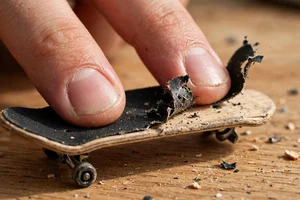
- It is tough for learning. The plastic deck survives drops, crashes and desk edges that would chip a wooden board. That toughness is perfect for your first 2 to 3 months, when the board hits the floor more than it lands tricks.
Cons:
- The pop is weak. A plastic deck has almost no flex, so ollies stay low and flip tricks turn slowly in the air. That weak pop is the first limit you will feel once your basic tricks start to land.
- The wheels are hard and loud. Hard plastic wheels slide on landings and rattle on a desk, so the board feels loose and noisy. That slide makes clean landings harder, and it hides small mistakes in your finger placement.
- You cannot tune it much. The trucks are basic, the parts do not swap with pro gear, and the grip wears smooth fast. That limit is fine for a beginner, but it holds you back once you want to tune your setup for harder tricks.
What Should You Choose: Tech Deck or Fingerboard?
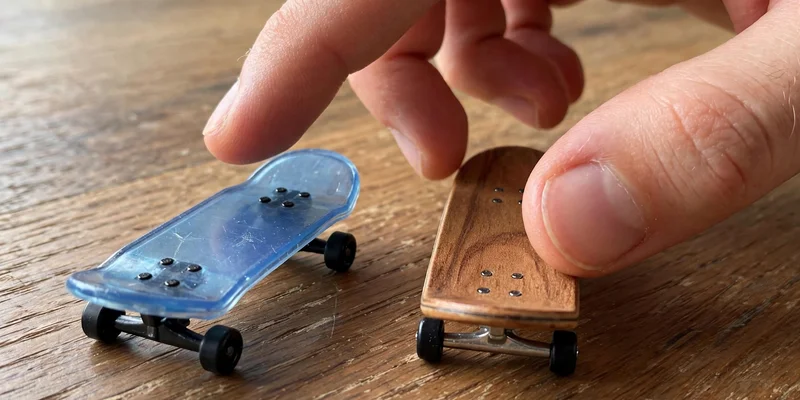
Choose a Tech Deck if you are new, and choose a wooden fingerboard if you already land the basics and ride every day. Your skill level, not your wallet, should make the call.
Pick a Tech Deck if you are just starting, if you want to try fingerboarding without spending much, or if you want a board you can carry anywhere without worry. It is the smart first buy for 9 out of 10 new riders.
Pick a wooden fingerboard if you can ollie, shuvit and kickflip cleanly, if you ride most days, and if you feel the plastic board holding you back. At that point the extra pop and grip will show in your tricks within a week.
Here is my clear verdict. Buy a Tech Deck first, learn the basics for 2 to 3 months, then move to wood when your tricks are solid. That path costs less, builds better skill, and you will enjoy the wooden board far more when you finally pick it up.
What Do Beginners Ask About Tech Deck vs Fingerboard?
Here are the questions readers ask most about Tech Deck vs fingerboard. Each answer is short and direct, so you can find what you need fast.
Is a Tech Deck a real fingerboard?
Yes, a Tech Deck is a real fingerboard. It is a plastic fingerboard made by Spin Master, and it works the same way as any fingerboard, with two fingers, a deck, trucks and wheels. The plastic deck and basic trucks give less pop and less grip than a wooden pro board.
Is a Tech Deck the same as a fingerboard?
No, a Tech Deck is one brand of fingerboard, not the whole hobby. Fingerboard is the wider name for all tiny skateboards, from cheap plastic toys to hand made wooden pro boards. Saying Tech Deck is like saying one brand of skateboard, while fingerboard is the name for the whole sport.
How much does a pro fingerboard cost?
A full pro fingerboard setup costs 60 to 150 dollars in most shops. The wooden deck alone is 30 to 60 dollars, trucks are 20 to 40 dollars, and wheels are 15 to 30 dollars. Grip tape and hardware add a few dollars more, and hand made decks from small brands can cost even more than that.
Can a beginner learn on a wooden fingerboard?
Yes, a beginner can learn on wood, but it is not the smart first buy. A wooden board costs 10 times more than a Tech Deck, and you will drop it a lot while you learn. Start on plastic for 2 to 3 months, then move to wood once your ollie and kickflip land most of the time.
Do Tech Deck parts fit a pro fingerboard?
No, Tech Deck parts do not fit a pro fingerboard in most cases. The trucks use a different bolt pattern, the wheels are a different width, and the bearings do not match. Grip tape is the one exception, since a Tech Deck sheet can be cut to fit a wooden deck, though pro foam grip tape feels much better.
Which fingerboard is best for learning tricks?
A Tech Deck is best for learning your first tricks. It is cheap, tough and easy to replace, so you can practise ollies, shuvits and kickflips without worrying about breaking a 100 dollar board. Once those tricks land cleanly, move to a wooden board for better pop, grip and control on harder tricks.
Are wooden fingerboards worth the money?
Yes, wooden fingerboards are worth the money for riders who practise every day. The maple deck pops higher, the urethane wheels grip the desk, and the metal trucks turn smooth and steady. You will land flip tricks and grinds more often, and a wooden board lasts months longer than a plastic one with daily use.
How long does a Tech Deck last?
A Tech Deck lasts 2 to 4 months with daily use before the grip wears smooth and the wheels get loose. Light use can stretch that to 6 months or more. The plastic deck rarely snaps, but the grip and the trucks wear out first, and at 5 to 10 dollars a board, most riders just buy a new one.
Where can I buy a pro fingerboard?
You can buy a pro fingerboard from small fingerboard shops online, since toy shops rarely stock wooden boards. Look for shops that sell decks, trucks, wheels and grip tape as separate parts, so you can build a full setup. Check reviews and shipping times first, because many good shops are small and ship in small batches.
Conclusion
So, in this article, we covered tech deck vs fingerboard in detail. You learned what a Tech Deck is, what a fingerboard is, how the two differ in deck, trucks and wheels, and how the prices compare. You also saw which board suits beginners, which suits advanced riders, and why Tech Deck parts do not fit a pro board.
My honest advice is simple. Start with a Tech Deck, learn your ollie, shuvit and kickflip for 2 to 3 months, then move to a wooden fingerboard when those tricks land cleanly. That order saves money, builds real skill, and makes the wooden board feel like a real upgrade when you pick it up.
Now pick your board and practise your ollie for 10 minutes today. Then come back and tell us in the comments which board you chose and why.
TechDeckTrick.com is an independent guide and is not affiliated with or endorsed by Tech Deck or Spin Master.