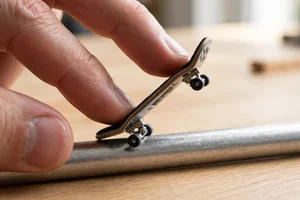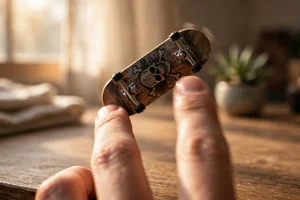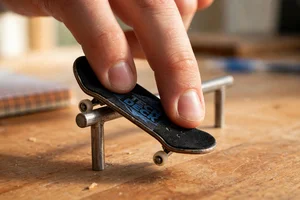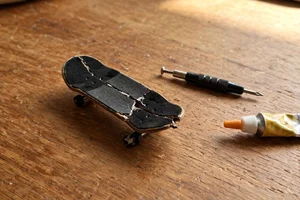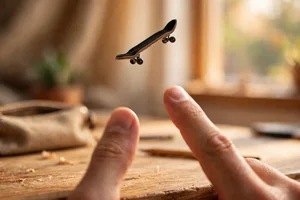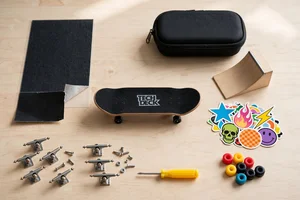
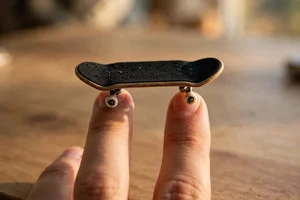
Learning how to casper flip on a tech deck is a fun next step after the kickflip. The board flips upside down and lands on its grip tape side, then you flip it back over with your fingers. This guide explains the trick, shows the finger placement, and walks you through six clear steps. You will also learn the common mistakes, a short daily drill, and what to learn next.
You watch a rider flick the board, and it spins upside down and lands on its grip tape, balanced on two fingers. Then with one quick move the board flips back over and rolls away clean. That trick is the Casper flip, and it looks like magic the first time you see it.
Learning how to casper flip on a tech deck is easier than it looks once you break it into parts. The trick starts like a kickflip, but instead of landing on the wheels, the board lands upside down on your fingers. You hold it there for a beat, then flip it back over and roll away.
This guide shows you the whole trick in plain words. You will learn where your fingers go, the six steps to land it, the mistakes that stop most riders, and a 10 minute drill you can repeat every day. By the end you will know exactly what to practise first.
What Is a Casper Flip on a Tech Deck?
A Casper flip is a flip trick where the board spins upside down and lands on its grip tape side, balanced on your fingers. The trick is named after Casper the friendly ghost, because the board floats upside down like a ghost before you flip it back over.
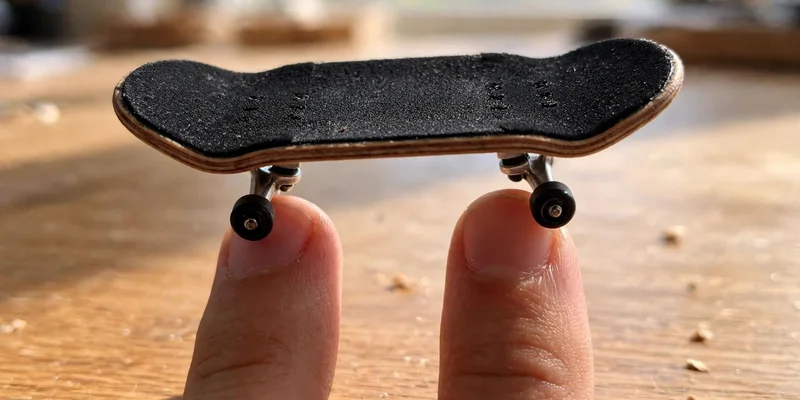
The trick has three clear parts. First the board flips like a kickflip. Then it lands upside down on your fingers. Then you flip it back over and land on the wheels. That middle part, the upside down catch, is what makes the trick special.
- The flip: the board spins once in the air, just like a kickflip. Your index finger flicks the edge of the board, and the board turns over in the air. The spin is slower than a kickflip, so you have time to watch the board turn.
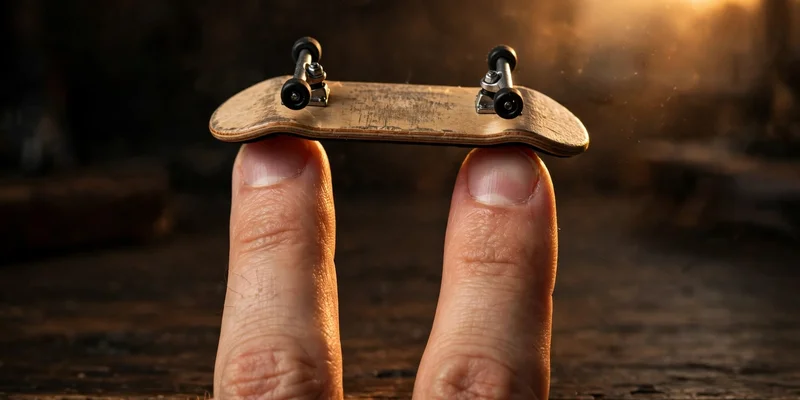
- The catch: the board lands grip tape down on your two fingers. You catch the board upside down, with the grip tape resting on your index and middle fingers. The board should sit still for a beat, not slide off.
- The flip back: you turn the board over and land on the wheels. One small flick of your fingers turns the board right side up again. Then you set it down on all four wheels and roll away clean.
How Is a Casper Flip Different From a Kickflip?
A Casper flip and a kickflip start the same way, but they end in very different places. The kickflip lands on its wheels, while the Casper flip lands upside down on your fingers first.
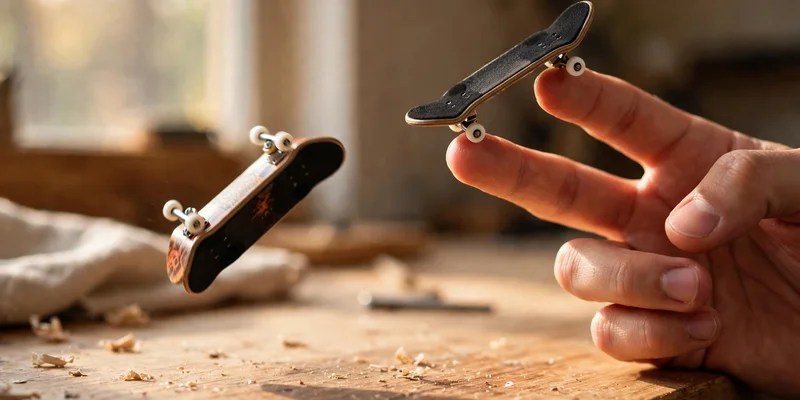
- Kickflip: one flip, then a landing on the wheels. You flick the board, it spins once in the air, and you catch it on the wheels. The whole trick is over in a second, and your fingers stay on top of the board.
- Casper flip: one flip, an upside down catch, then a second flip. You flick the board, catch it upside down on your fingers, hold it for a beat, then flip it back over. The trick has two flips and a pause in the middle.
- Difficulty: the Casper flip is harder, because the catch takes control. A kickflip only needs a good flick and a clean landing. A Casper flip also needs a calm catch, because the board can slide off your fingers fast.
- Which to learn first: always the kickflip. The kickflip teaches your fingers the flick and the timing. If you can land a kickflip on a Tech Deck ten times in a row, you are ready for the Casper flip.
What Do You Need Before You Learn a Casper Flip?
You need a clean ollie and a solid kickflip before you try a Casper flip. Without those two tricks, the board will not flip the right way, and the catch will feel random.
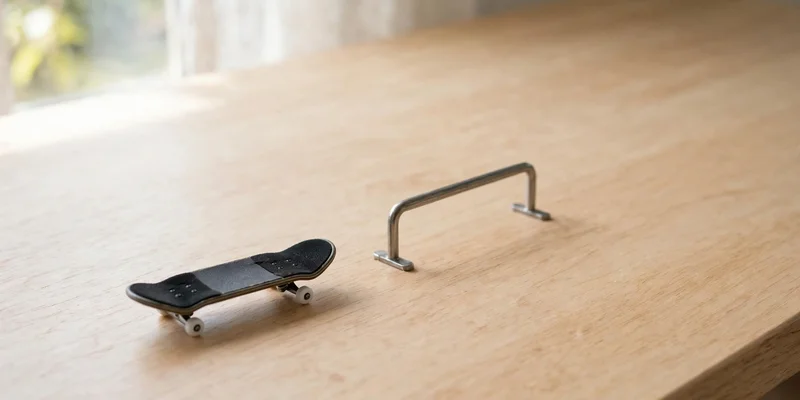
- A clean ollie. You need to pop the board into the air every time, because the Casper flip starts with an ollie. If your ollie is still shaky, practise it first with our guide on how to ollie on a Tech Deck.
- A solid kickflip. The Casper flip uses the same flick as a kickflip. If your kickflip lands clean most of the time, your fingers already know the hardest part of the Casper flip.
- A smooth, clear desk. You need room to roll, flip and catch without hitting books or cups. Clear a space at least 40 cm long, and keep the desk dry so the board rolls clean.
- Fresh grip tape. Your fingers hold the board upside down by the grip tape, so worn grip makes the board slip. Check your grip before you start, and change it if it feels smooth.
Where Should You Place Your Fingers for a Casper Flip?
Finger placement decides whether the board lands upside down on your fingers or flies off the desk. Your index finger flicks the board, and your middle finger catches it on the grip tape side.
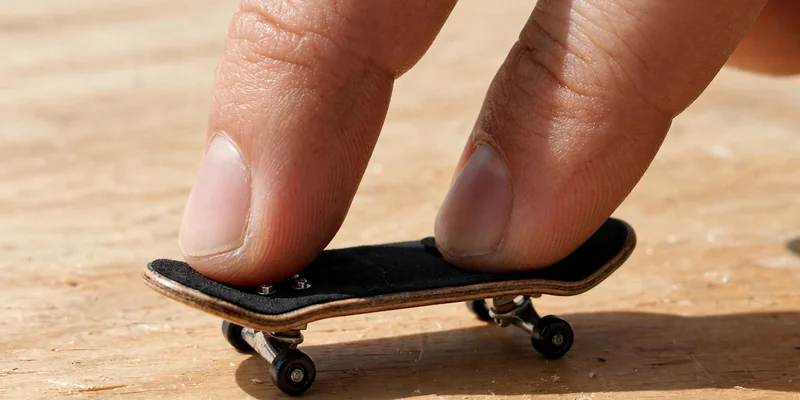
Put your index finger on the deck just behind the front bolts, near the edge you will flick. Put your middle finger on the tail, over the back bolts. That is the same start as a kickflip, so your fingers will feel at home.
For the catch, both fingers move to the middle of the board. Your index finger sits on the grip tape near the nose, and your middle finger sits on the grip tape near the tail. Keep both fingers flat and still, because a tense finger pushes the board off balance.
Practise the catch on a flat desk first. Turn the board upside down, set it on your two fingers, and hold it still for three seconds. Once your fingers know that shape, the real catch gets much easier.
How to Casper Flip on a Tech Deck: Step by Step
Here is a simple 6 step process to do a Casper flip on a Tech Deck. Follow the steps in order, and practise each one before you move to the next.
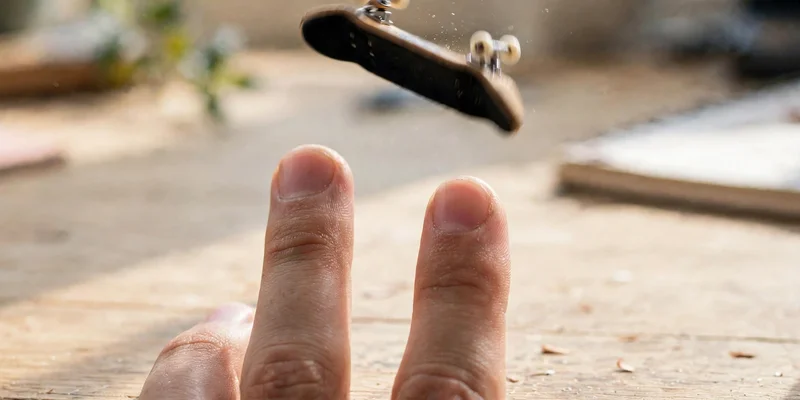
Step 1: Set Your Fingers and Roll Slow
Put your fingers in the kickflip start position and roll toward the middle of your desk at a slow, steady speed. Slow speed gives you control, and control matters more than speed when you are learning. Aim for a clear patch of desk with room to land.
Step 2: Pop an Ollie
Pop the tail down and lift the board into the air with a clean ollie. Keep your fingers level as you rise, because a tilted board in the air flips badly. This step is the same ollie you already know, so trust it.
Step 3: Flick the Board Like a Kickflip
Slide your index finger off the edge of the board to start the flip. Flick gently, because a hard flick spins the board too fast to catch. Watch the board turn, and keep your middle finger ready for the catch.
Tip: practise the flick without the catch first. Flick the board, let it land upside down on the desk, and look at how it sits. That shows you the flip speed you need before you try to catch it.
Step 4: Catch the Board Upside Down
As the board turns over, move both fingers under it and catch the grip tape side. Keep your fingers flat and still, and let the board settle on them. Hold it for one beat. If the board slides, your fingers were too tense, so relax them and try again.
Step 5: Flip the Board Back Over
Flick the board with your index finger to turn it right side up again. The flip back is smaller and slower than the first flip, so use a soft touch. Keep your eyes on the board, not on your fingers, because your fingers follow where you look.
Step 6: Land on the Wheels and Roll Away
Set the board down on all four wheels and roll away clean. Bend your fingers slightly as you land to soften the impact, then keep rolling. A clean landing is the sign of a real Casper flip, so celebrate it.
What Are the Common Mistakes in a Casper Flip?
Most failed Casper flips come from the same few mistakes, and each one has a simple fix. Check this list before your next session, because one small change can fix a trick that feels stuck.
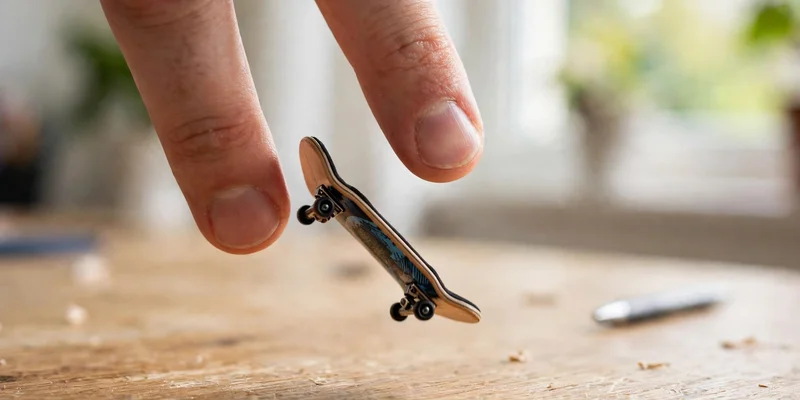
- Flicking too hard. A hard flick spins the board twice, and you cannot catch a board you cannot see. Flick gently, and watch the board turn once before you reach for the catch.
- Catching with tense fingers. Stiff fingers push the board away the moment it touches them. Relax your fingers and keep them flat, so the board can settle on them.
- Flipping back too early. If you flip the board back before it settles, the board wobbles and falls. Hold the catch for one full beat, then flip it back with a calm flick.
- Looking at your fingers instead of the board. Your fingers follow your eyes, so looking down pulls them off line. Watch the board turn, and let your fingers find it.
- Riding with worn grip tape. Smooth grip lets the board slide off your fingers during the catch. Change the grip when it feels worn, and see our guide on how to replace Tech Deck grip tape for the full method.
How Do You Practice a Casper Flip?
A short daily drill beats one long weekend session, because your fingers learn the catch through repetition. Ten minutes a day is enough to see real progress in a week.
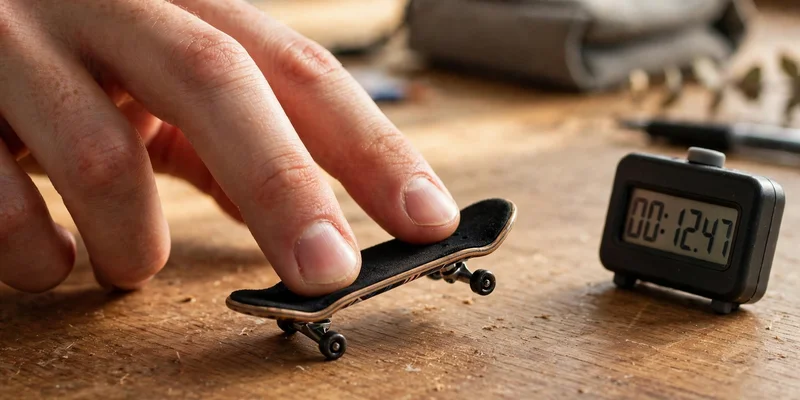
Start with 2 minutes of upside down holds on a flat desk. Turn the board over, set it on your fingers, and hold it still for three seconds at a time. Then spend 3 minutes on the flick and catch, without the flip back, so your fingers learn the landing.
Then spend 3 minutes on full attempts, from the ollie to the roll away. Do not chase a perfect trick yet. Finish with 2 minutes of easy kickflips to keep your fingers loose. Write down how many clean Casper flips you landed each day, because the number climbs faster than you think.
Once the catch feels steady, try the varial kickflip, because it teaches your fingers a similar flip and catch. Rest your fingers when they feel tired. Tired fingers make sloppy catches, and sloppy catches teach bad habits.
What Are the Advantages and Disadvantages of a Casper Flip?
The Casper flip looks amazing and teaches you real board control, but it takes time to learn. Here is the honest list before you commit your practice time to it.
Advantages
- It looks impressive. A board balanced upside down on two fingers stops people in their tracks. It is one of the best looking flip tricks you can learn on a Tech Deck, and it photographs well too.
- It teaches real board control. The catch forces your fingers to manage balance, timing and pressure at the same time. That control carries over to every other flip trick you learn later.
- It opens the door to harder tricks. Once the Casper flip feels steady, the full list of Tech Deck tricks shows harder flip tricks your fingers are now ready for.
Disadvantages
- It is hard to learn. Most riders need one to two weeks of daily practice before the catch feels steady. The upside down balance fights your fingers, and early sessions can feel frustrating.
- The board drops often. One wrong finger move ends the trick, so you will pick the board up off the desk a lot. A clear desk with no clutter helps while you learn.
- It wears your grip tape faster. Your fingers rub the grip tape hard during the catch, so the grip wears out sooner than with flat tricks. Check your grip each week and replace it on time.
What Do People Ask About How to Casper Flip on a Tech Deck?
Here are the questions readers ask most about how to casper flip on a tech deck. Each answer is short and direct, so you can find your answer fast.
What is a Casper flip on a Tech Deck?
A Casper flip is a flip trick where the board spins upside down and lands on its grip tape side, balanced on your fingers. You hold it for a beat, then flip it back over and land on the wheels. The trick is named after Casper the ghost, because the board floats upside down before you turn it back.
How long does it take to learn how to casper flip on a tech deck?
Most riders need one to two weeks of practice to land a Casper flip. Ten minutes a day is enough, and short sessions work better than long ones. Your first clean catch may come in a few days, but a smooth flip back with a landing takes longer. Track your landings each day and you will see the progress.
Is a Casper flip harder than a kickflip?
Yes, a Casper flip is harder than a kickflip. A kickflip only needs a good flick and a clean landing on the wheels. A Casper flip also needs a calm upside down catch, because the board can slide off your fingers fast. Learn the kickflip first, then the Casper flip will feel like a natural next step.
Why does my board keep flying off my fingers?
Your board flies off when your fingers are tense or your flick is too hard. Tense fingers push the board away the moment it touches them, and a hard flick spins the board too fast to catch. Relax your fingers, keep them flat, and flick gently. Practise the upside down hold on a flat desk until it feels steady.
Can I learn a Casper flip without a kickflip?
You can try, but it will feel much harder. The Casper flip uses the same flick and timing as a kickflip, so riders who know the kickflip learn the catch far faster. Learn the kickflip first until you can land it ten times in a row. Then the Casper flip becomes a small step, not a big jump.
How do I catch the board upside down?
As the board turns over, move both fingers under it and catch the grip tape side. Keep your fingers flat and still, and let the board settle on them for one beat. If the board slides, your fingers were too tense. Relax them and try again. Practise the hold on a desk before you try it in the air.
What is the best surface to learn a Casper flip?
A smooth, clear desk is the best surface to learn a Casper flip. The board rolls clean, and a dropped board lands on wood. Avoid rough tables, because they slow the board and make the flip wild. Clear a space at least 40 cm long, keep the desk dry, and put a wall behind you to stop runaway boards.
How do I flip the board back over after the catch?
Flick the board with your index finger to turn it right side up again. The flip back is smaller and slower than the first flip, so use a soft touch. Keep your eyes on the board, not on your fingers. Once the board turns over, set it down on all four wheels and roll away clean.
Conclusion
So, in this article, we covered how to casper flip on a tech deck in detail. You learned what the trick is, how it differs from a kickflip, where your fingers go, and the six steps to land it. You also saw the common mistakes, the 10 minute drill, and the honest pros and cons.
My honest advice is simple. Do not rush the catch. Spend a few days on the upside down hold and the short flick before you chase a full trick, because the balance you build now stays with you for every flip trick after this one.
Now clear a space on your desk, turn your board upside down on your fingers, and try the first three steps today. Then come back and tell us in the comments how many tries your first Casper flip took.
TechDeckTrick.com is an independent guide and is not affiliated with or endorsed by Tech Deck or Spin Master.